
Airway-Focused Dentist in Missoula & Frenchtown, MT
Gentle, Non-Surgical Airway Care for the Whole Family
Airway-Focused Dentistry at Frenchtown Dental
If your child snores or breathes through their mouth at night, the shape of the mouth and jaw is often part of the reason. Adults who wake up exhausted after a full night in bed sometimes find the same thing.
An airway-focused dentist looks at how the structure of your mouth affects your breathing during sleep, then treats the dental causes with gentle, non-surgical care. At Frenchtown Dental, that care is available to children and adults in Missoula and Frenchtown, and we see families from Alberton and Superior too. We are general dentists, so we screen for airway concerns and treat the dental side. Diagnosing sleep apnea is a physician’s job.
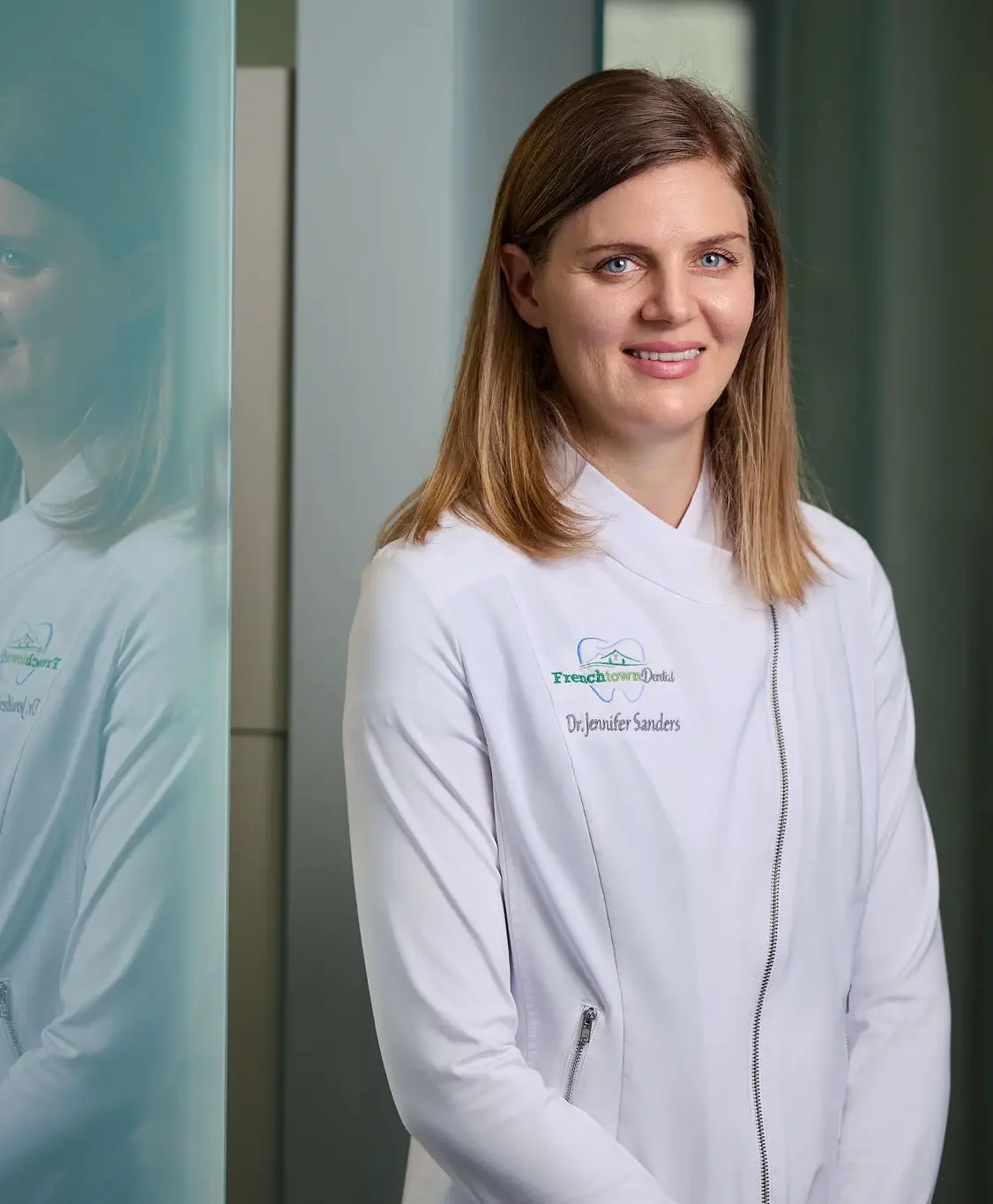
Meet Your Holistic Dental Expert
Dr. Jennifer Sanders has completed a mini-residency in managing pediatric airway issues and is a Healthy Start certified provider. She and our team work alongside your doctor, including sleep physicians and ENTs, whenever your care calls for it.
Schedule an Airway Evaluation or call (406) 626-4337. Your first visit is a conversation and an exam, with no pressure to start treatment.
4.8
Overall Rating, Based on 200+ Reviews.
What Does an Airway-Focused Dentist Do?
A routine dental visit checks your teeth and gums. An airway-focused visit also looks at the space behind them. We check how wide the upper jaw is and where the tongue rests when you are relaxed, then see how freely it moves.
Those details matter because your mouth and your airway share the same space. A narrow upper jaw leaves less room for the tongue, and a tongue that rests low can crowd the airway during sleep. When we find a pattern like that, we may be able to guide it with custom appliances and myofunctional exercises before it turns into a bigger problem.
When a closer look will change the plan, we use CBCT imaging, a 3D X-ray of the jaw and airway. Then we explain what we found in plain language and give you a clear cost estimate before anything begins.
Sleep apnea is diagnosed by a physician through testing. Our role is to screen for it and treat the dental side of the problem, while staying in touch with your medical team.
Snoring and Sleep Apnea: When to See Your Doctor First
Dr. Sanders is a general dentist. We provide pediatric and airway-focused care as part of family dentistry, and we are not sleep or ear, nose and throat (ENT) physicians.
For children
The American Academy of Pediatrics recommends that doctors ask about snoring at every well visit. If your child snores most nights, pauses in breathing or sleeps restlessly, mention it to your pediatrician first. They may refer you to a sleep specialist or an ENT, and for many children with enlarged tonsils or adenoids, that is where treatment starts. We are glad to work alongside them and tell you what we see in your child’s mouth and jaw.
>> Read the AAP guideline summary.
For adults
If you think you may have sleep apnea, see your doctor for testing. CPAP is the usual first treatment. The American Academy of Sleep Medicine and the American Academy of Dental Sleep Medicine suggest an oral appliance for people who cannot tolerate CPAP or prefer another option, with the appliance made by a dentist and the diagnosis and follow-up testing handled by a physician.
>> Read the AASM and AADSM guideline summary.

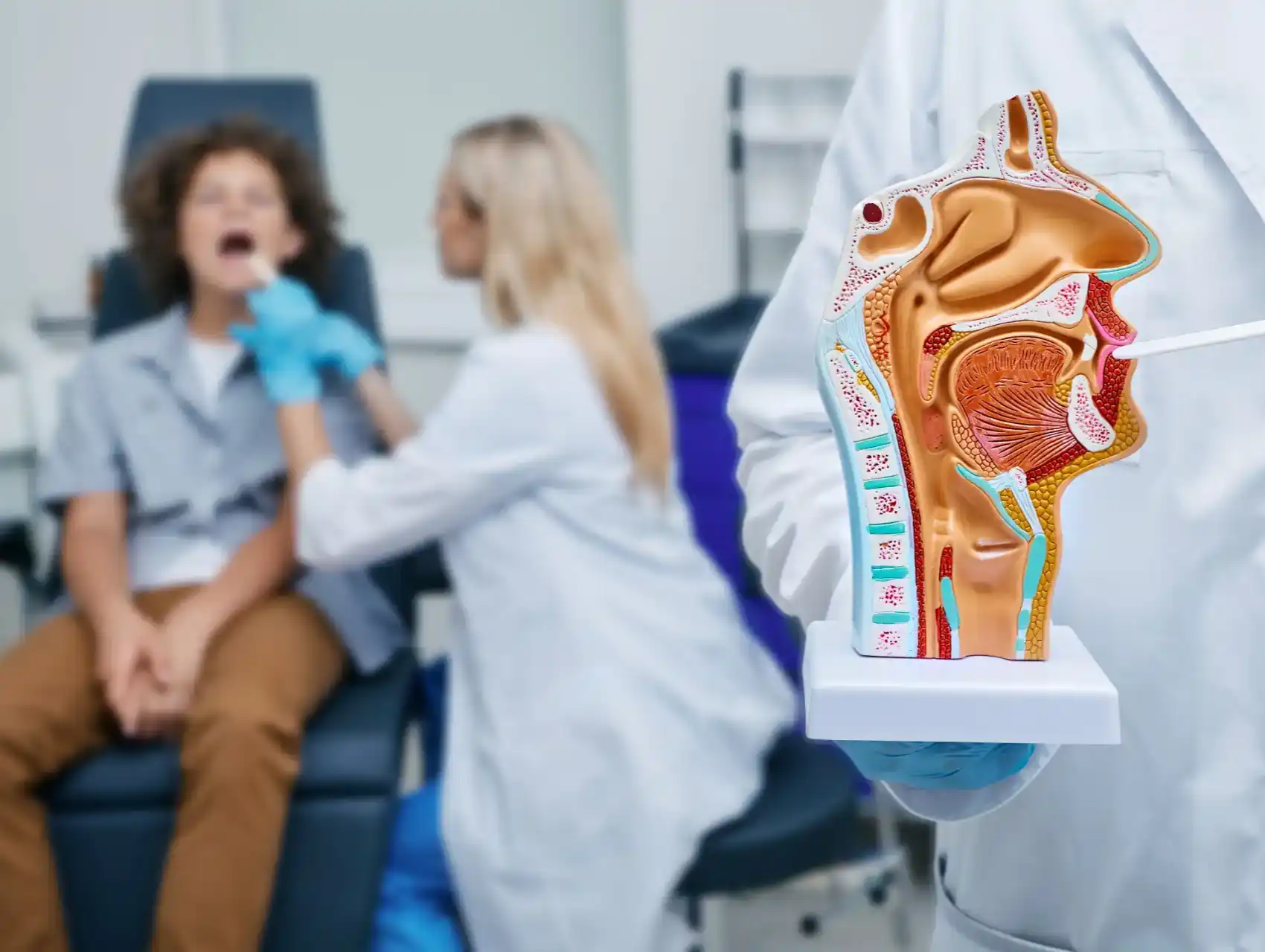
Signs of Airway Problems in Children and Adults
Airway problems rarely announce themselves. Most people notice a handful of small things that never quite go away.
Signs of Airway Problems in Children
Kids can’t always tell you that breathing at night feels hard, so the clues show up in other places:
- Breathing through the mouth while awake or asleep
- Snoring, gasping or noisy breathing at night
- Dry lips or a dry mouth in the morning
- Tiredness after what looks like a full night of sleep
- Trouble focusing or unusual hyperactivity at school
- Teeth grinding during sleep
- A narrow upper jaw or a crossbite
- Crowded teeth
- A tongue that looks tied or rests low in the mouth
If several of these sound familiar, an evaluation can show whether airway is part of the picture.
Signs of Airway Problems in Adults
- Loud snoring or gasping during sleep
- Waking up tired and fighting fatigue or poor concentration through the day
- Morning headaches
- Clenching or grinding at night, sometimes with jaw pain
- Frequent nasal congestion or mouth breathing
- A sleep apnea diagnosis with a CPAP mask you struggle to wear
Any one of these can have several causes, which is why we look at the whole picture before recommending anything.
What to Expect at an Airway Evaluation in Frenchtown

Your first visit is a conversation and an exam. You are free to ask anything, and there is no pressure to start treatment.
- We listen. You tell us how sleep and daytime energy have been and what your doctor has already mentioned.
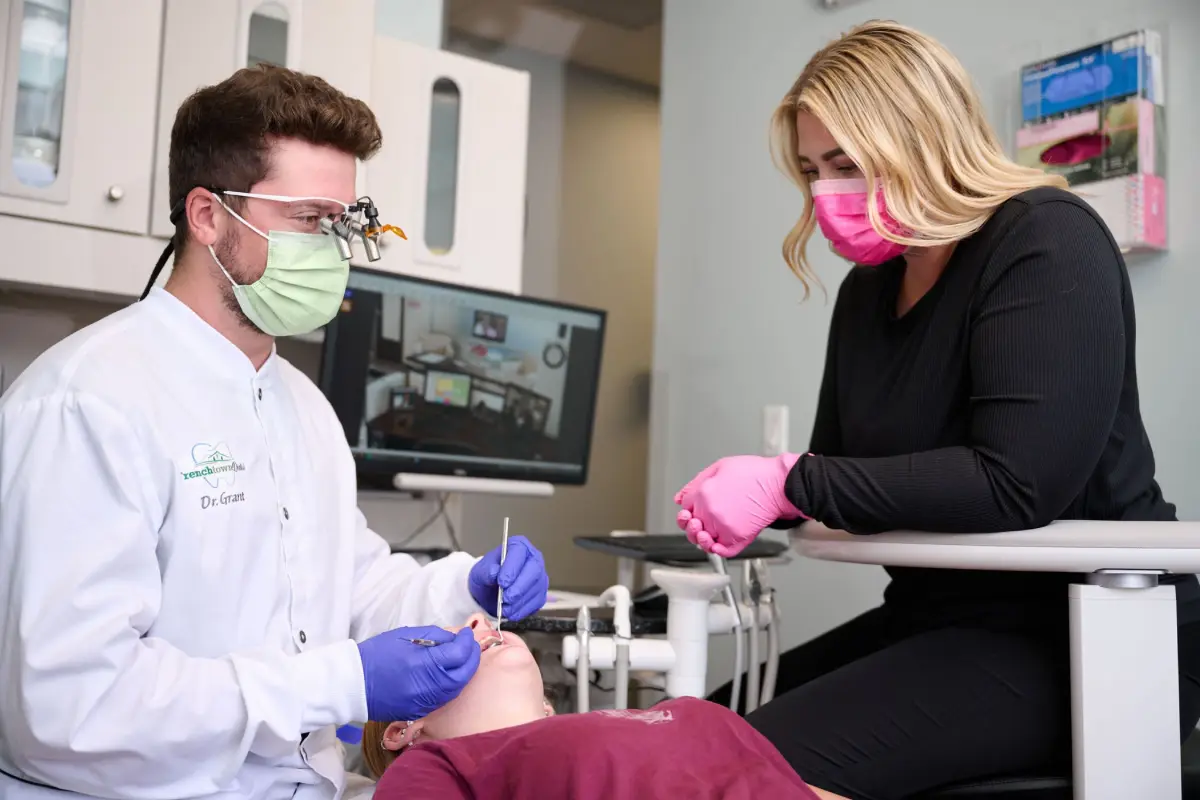
- We examine. We measure the width of the upper jaw, look at how the bite fits and check where the tongue rests and how freely it moves. We also watch how you or your child breathes at rest.
- We take a closer look when it helps. CBCT imaging gives a 3D view of the jaw and airway when it will shape the plan. It is not needed for every visit.
- We explain your options. You hear what we found, which treatments fit and what each would cost, before you decide anything.
- We coordinate your care. If a sleep study or an ENT visit makes sense, we can refer you and, with your permission, share what we found with that provider and your pediatrician.
Schedule an Airway Evaluation for you or your child, or call (406) 626-4337 with questions first. You will get a cost estimate before any treatment begins.
Non-Surgical Airway Treatment for Children in Missoula
Children’s jaws and airways are still growing, which gives us a window to guide development gently. Treatment started early is often simpler than treatment started later. Here is what airway treatment for kids in Frenchtown and Missoula can include. These options are non-surgical, and we address tongue ties separately when they play a role. Which option fits depends on your child’s age, growth and exam findings.

Healthy Start System
The Healthy Start system combines custom appliances worn mainly at night with myofunctional therapy to guide jaw growth and encourage nasal breathing. Some families notice better breathing and sleep within a couple of months of consistent use. Results vary from child to child, and we set expectations for your child at the evaluation.

Palatal Expanders for Pediatric Airway Expansion
A palatal expander is a small custom appliance that sits on the roof of the mouth. It gradually widens the upper jaw, which can make more room for the tongue and may improve airflow. Dentists often use expanders for kids with a narrow jaw or a crossbite.

Myofunctional Therapy
Simple daily exercises retrain the muscles of the tongue and face to support nasal breathing and natural growth. Read more about myofunctional therapy.

Invisalign for Older Children
For older kids, Invisalign aligns teeth and corrects bite problems while supporting healthy airway development.
When a Tongue Tie Is Part of the Picture
A tongue tie can keep the tongue from resting where it should. Dr. Sanders has advanced training in tethered tissues, and we look at how the tongue moves as part of the airway evaluation. Learn more about tongue tie treatment. Not sure which option fits your child? The evaluation answers that. Our pediatric airway page takes a closer look at each treatment.
Airway Treatment for Adults Near Missoula
Adult airway care begins with the same evaluation, then follows what you need. If you have not been tested for sleep apnea, we will point you to your doctor for that step.
Custom oral appliances
Gently reposition the jaw and tongue to keep the airway open. For snoring and mild to moderate sleep apnea, they can be an option for people who cannot tolerate CPAP or prefer something else, and they are quiet and easy to travel with. CPAP remains the usual first treatment, so your physician guides that choice. See our sleep apnea treatment.
Myofunctional therapy
Strengthens the tongue and facial muscles to support nasal breathing.
Nightguards
Protect your teeth from clenching and grinding while we look at whether jaw tension and airway are connected.
Medical collaboration
With sleep physicians and ENTs when you need a diagnosis or a different kind of treatment.
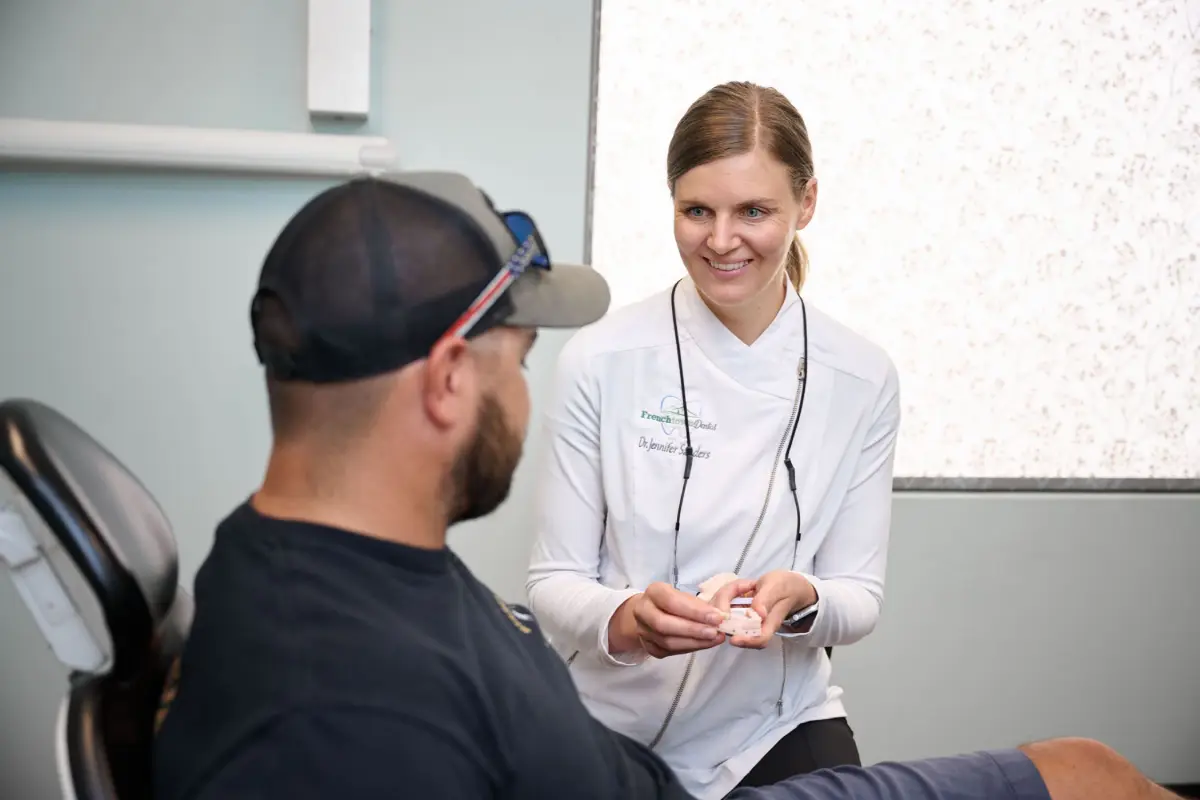
Dr. Sanders has completed extensive training in the dental management of sleep-related breathing disorders in adults. Meet our dentists or explore our full range of airway therapy options.

Why Choose Frenchtown Dental for Airway Care Near Missoula
- A short drive from Missoula. We are on Beckwith Street in Frenchtown, and we see families from Alberton and Superior too. Get directions.
- Schedules that work for families. Early morning and after-school appointments are available for kids, and we work to run on time.
- A whole-person approach. As a holistic and family dental office, we look at how your mouth connects to the rest of your health.
- A local care network. We work with local health professionals, including sleep doctors and naturopaths, when your care calls for it.
- Clear pricing. We accept most major insurance plans, explain your benefits ahead of time and offer flexible payment options, including CareCredit.
- Patient feedback. Our 4.8 overall rating comes from more than 200 patient reviews.

Schedule an Airway Evaluation in Frenchtown
If you have been losing sleep over your child’s snoring or your own, an airway evaluation can help you understand what is going on. We will explain what we find in plain language and help you choose a next step that fits your family, including a visit to your doctor first when that makes sense.
Schedule an Appointment or call (406) 626-4337. Not ready to book? Call with your questions and we will point you to the right next step.
Frenchtown Dental, 16332 Beckwith St, Frenchtown, MT 59834
Common Questions About Airway-Focused Dentistry
What is an airway-focused dentist?
An airway-focused dentist is a dentist with added training in how the jaw and tongue influence breathing and sleep. They screen for airway concerns during routine care and treat the dental causes with tools such as expanders and myofunctional therapy. At Frenchtown Dental, that includes evaluations for children and adults in the Missoula area.
Is an airway dentist the same as an airway doctor?
Airway dentistry is a focus area within dentistry, not a separate specialty. Dentists build that focus through added training, such as the pediatric airway mini-residency Dr. Sanders completed. Medical airway care belongs to physicians, including ENTs and sleep doctors, and we work with them when your situation calls for it. If you are looking for airway care near Missoula, an evaluation here is a good first step, and we will point you to the right medical provider if you need one.
Can a dentist really help with breathing and sleep problems?
Yes, on the dental side of the problem. The width of the upper jaw and the position of the tongue shape the space your breathing passes through. Treating those factors can help nasal breathing and sleep for some patients, and we coordinate with your doctor for anything medical.
Do I need a referral?
Dental visits generally do not require a referral, and many families come to us on their own. Others arrive after a pediatrician or sleep physician suggests a dental evaluation. Either way, we are happy to see you.
Common Questions About Airway Treatment Costs
Does insurance cover airway treatment?
Coverage depends on your plan and the treatment. We accept most major insurance plans, review your benefits before treatment begins and give you a clear cost estimate so there are no surprises.
How much does airway treatment cost, and are there payment options?
Cost varies with the treatment, your child’s age and how long care takes, so we price after the evaluation. Flexible payment options are available, including CareCredit and a dental savings plan.
Common Questions About Children's Airway Treatment
What is a pediatric airway evaluation?
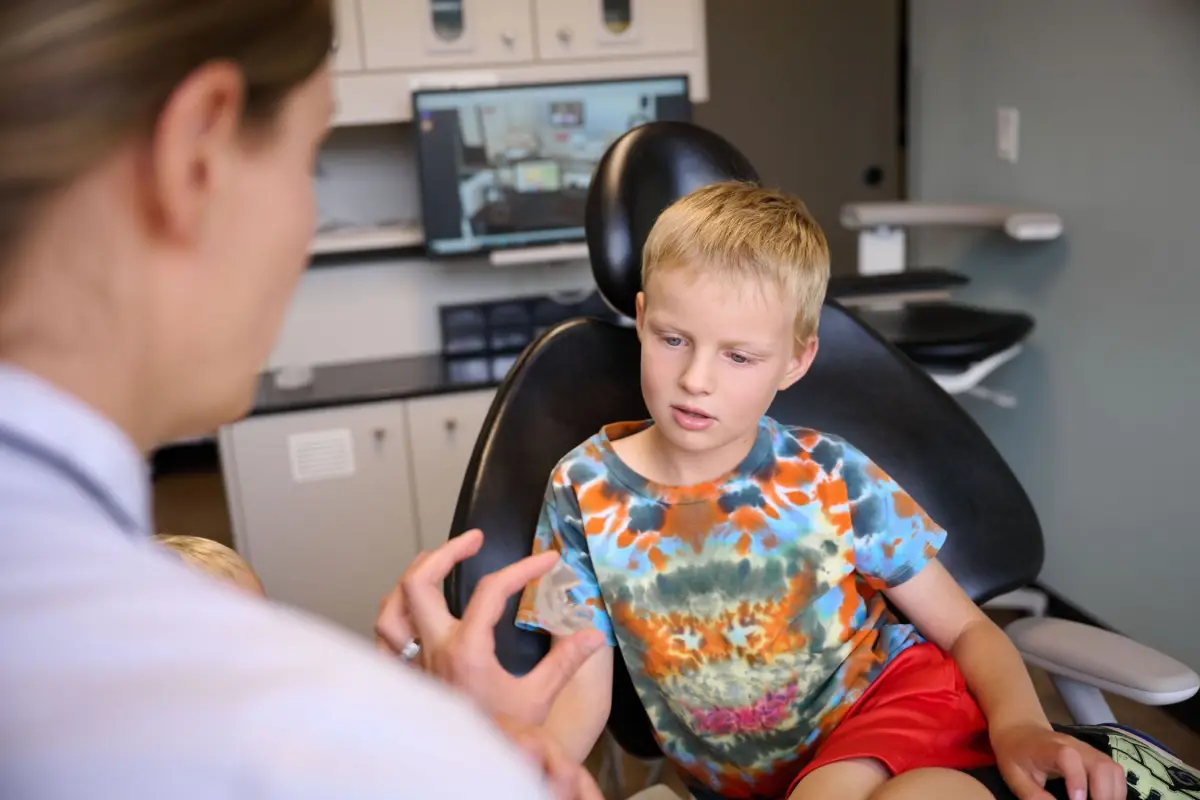
It is a visit focused on how your child breathes at night and how their jaw is developing. We review sleep and breathing history, measure the upper jaw, look at the bite and check how the tongue rests and moves. Imaging is added when it will help. You leave with a plain-language explanation of what we found and which options, if any, make sense.
Is there a dentist near Missoula who focuses on children's airway health?
Frenchtown Dental is a family dental office with a focus on children’s airway health, a short drive from Missoula. Our dentists are general dentists who provide pediatric care as part of family dentistry. Dr. Sanders completed a mini-residency in managing pediatric airway issues and is a Healthy Start certified provider. We also offer early morning and after-school appointments so treatment fits around the school day.
At what age should my child be evaluated?
Earlier is easier, because the jaw is still growing and can be guided gently. We can screen children during routine visits, and treatment options depend on your child’s age and growth. Invisalign, for example, is used for older children. Call us with your child’s age and what you have noticed, and we will tell you what to expect.
What is pediatric airway expansion, and will it hurt?
Palatal expansion gradually widens the upper jaw to make more room for the tongue and may improve airflow. Our treatments are designed with your child’s comfort as the top priority, and some children notice a sense of pressure or an adjustment period at first. We walk you and your child through each step so there are no surprises.
Is tongue tie linked to airway problems?
A tongue tie can limit how freely the tongue moves, which can affect where it rests and how a child breathes at night. Some tongue ties cause no problems, so we check how the tongue actually functions before recommending anything. Dr. Sanders has advanced training in tethered tissues.
Can better breathing help my child's focus at school?
Some parents report better focus and mood once their child sleeps more soundly. Poor sleep and attention problems can look alike, and airway is only one possible cause, so we can share our findings with your pediatrician, with your permission, and keep the plan realistic.
My child is getting braces or Invisalign. Should we address airway first?
The two often work together. Tongue habits and a narrow upper jaw can affect how well teeth stay in place, so we look at them early. We can coordinate expansion or myofunctional therapy with your child’s orthodontic plan and explain the right order at the evaluation.
How long does children's airway treatment take?
Some families notice changes within a couple of months of consistent Healthy Start treatment, though results vary. The full timeline depends on your child’s age and growth and on the appliance used. We map it out with you at the consultation and adjust as your child grows.
Common Questions About Adult Airway Treatment
Can a dentist treat sleep apnea?
A dentist can treat part of it. After a physician diagnoses sleep apnea, a dentist can make a custom oral appliance that holds the jaw in a position that helps keep the airway open. Appliances are mainly used for mild to moderate sleep apnea, or for people who cannot tolerate CPAP, which is the usual first treatment. We also screen patients, so people who have never been tested get pointed to their doctor.
How is an oral appliance different from CPAP?
An oral appliance is a small, custom-made device worn in the mouth. It is quiet and portable, and it needs no hoses or machine. Patients with more severe sleep apnea usually still need CPAP, so that decision is made together with your sleep physician.
Do I need a sleep study before an oral appliance?
If you suspect sleep apnea, a sleep test ordered by a physician is the standard way to confirm it and rate its severity, and an appliance works best with that information. If you have not been tested, we can screen you and help you take the next step with your doctor.
I grind my teeth at night. Could that be an airway issue?
Sometimes. For some people, clenching and grinding may go along with disrupted breathing during sleep. We evaluate both, protect your teeth with a nightguard when needed and look at whether airway is part of the cause.
Can adults do myofunctional therapy?
Yes. Adults with mouth breathing, snoring or jaw tension may benefit from retraining the muscles of the tongue and face. Our myofunctional therapy page explains how it works.